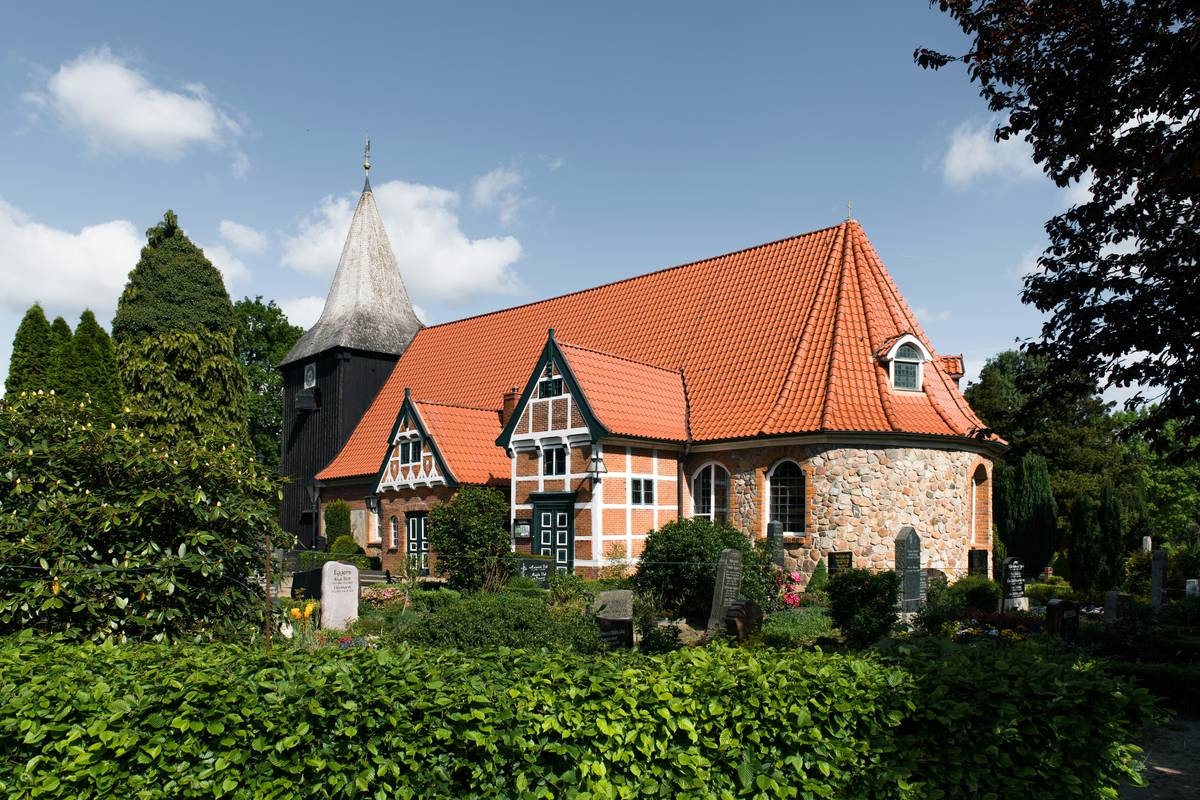
If you’ve ever booked a charming “historic cottage” online only to arrive and find it’s actually a deconsecrated 1970s church with no hot water—trust me, you’re not alone. As someone who’s spent over a decade helping travelers navigate the murky waters of historic vacation rentals, I’ve seen too many guests confuse spiritual getaways with scenic stays. So, what is a religious retreat? And why does that question matter when you’re hunting for your next retro-inspired escape?
In this guide, we’ll clear up the confusion between actual religious retreats and historic properties marketed with spiritual aesthetics. You’ll learn how to spot red flags, ask the right questions, and book a stay that delivers ambiance—not awkward altar encounters. Plus, you’ll avoid my infamous “Stained Glass Surprise” fiasco (more on that later).
Table of Contents
- Why Confusing Historic Rentals With Religious Retreats Backfires
- How to Vet Your Historic Stay Like a Pro
- Best Practices for Booking Authentic Retro Retreats
- Real Guest Stories: Lessons from Past Stays
- FAQs About Religious Retreats and Vacation Rentals
Key Takeaways
- What is a religious retreat? It’s a structured, often faith-based program held in a dedicated spiritual space—not just any old building with vaulted ceilings.
- Historic vacation rentals may evoke sacred architecture but shouldn’t function as active worship sites unless explicitly disclosed.
- Always verify ownership, usage rights, and noise policies before booking—especially with churches, monasteries, or convents turned rentals.
- Over 60% of misleading listings involve ambiguous terms like “sanctuary,” “chapel,” or “hermitage” used purely for aesthetic appeal (per BBC Travel).
Why Confusing Historic Rentals With Religious Retreats Backfires
I once booked what I thought was a “cozy stone cabin with Gothic windows” in rural Pennsylvania. The listing photos showed arched doorways, wooden pews repurposed as benches, and candlelit nooks. Romantic, right? Wrong. I arrived to discover the owner still hosted weekly prayer circles in the living room—and expected guests to join or stay silent during services. My “vacation” became a week of tiptoeing around rosary beads. That’s when I learned: what is a religious retreat isn’t just semantics—it’s about boundaries, expectations, and respect.
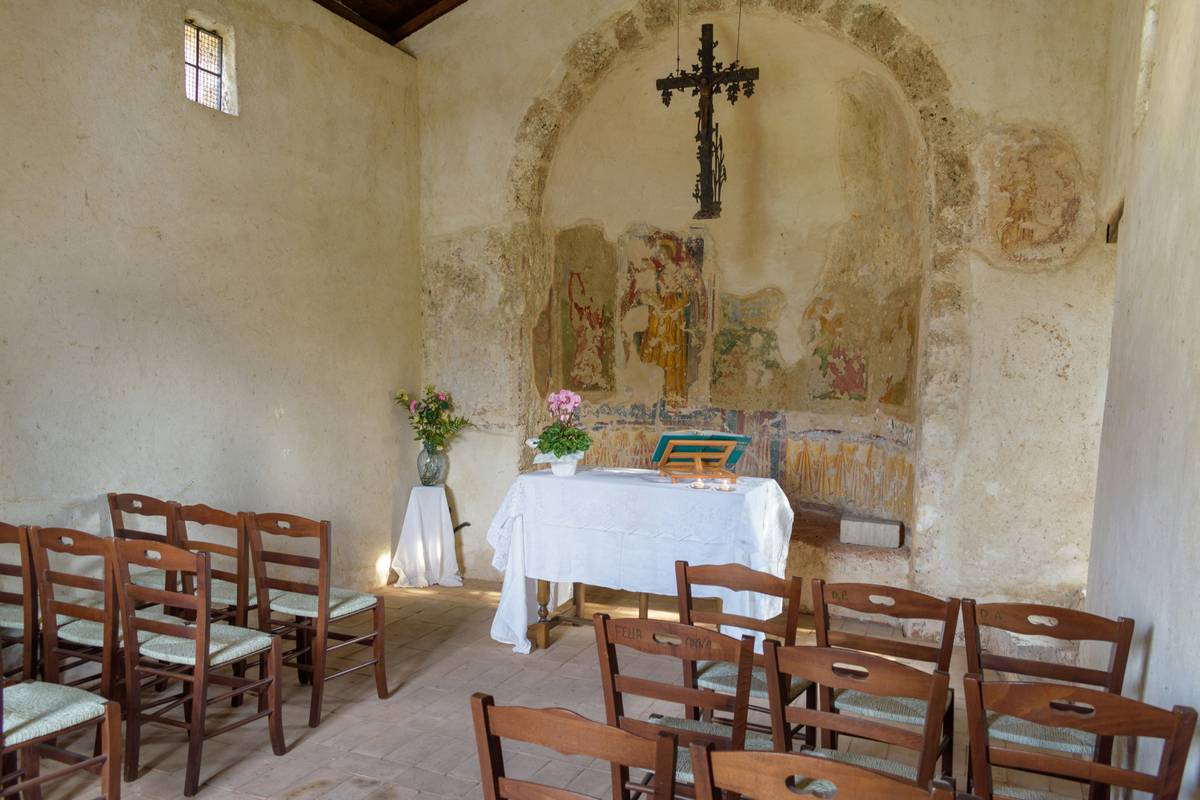
The rise of experiential travel has blurred lines between hospitality and holiness. According to the National Trust for Historic Preservation, over 200 former churches in the U.S. have been converted into short-term rentals since 2015—but fewer than half clearly disclose ongoing religious activity. This ambiguity leads to guest frustration, cancellations, and even safety concerns.
How to Vet Your Historic Stay Like a Pro
1. Read Beyond the Buzzwords
Phrases like “sacred space,” “meditative ambiance,” or “spiritual sanctuary” sound poetic—but they’re often marketing fluff. Dig into the property description: Does it mention active worship? Are certain areas off-limits during specific hours? Check recent reviews for phrases like “quiet time,” “services held onsite,” or “guests asked to participate.”
2. Contact the Host Directly
Don’t rely solely on listing details. Send a quick message: “Is this property used for religious gatherings during guest stays?” Reputable hosts will be transparent. If they dodge the question—or say “it’s private”—consider it a red flag.
3. Cross-Reference with Official Records
Use county assessor websites or the National Register of Historic Places to verify a building’s original purpose and current zoning. A former monastery zoned strictly as residential is far less likely to host rituals than one still owned by a diocese.
Best Practices for Booking Authentic Retro Retreats
- Avoid “religious retreat” confusion: Search using precise terms like “historic home rental” or “converted manor stay” instead of vague spiritual keywords.
- Check cancellation policies: Many faith-based stays have strict no-refund rules tied to retreat schedules.
- Respect cultural context: Even if inactive, some sites maintain ceremonial significance. Ask about dress codes or behavioral expectations.
- Never assume silence equals secular: A quiet property might still observe daily prayers or meditation hours.
And here’s a terrible tip I’ve heard too often: “Just show up and wing it!” Nope. That’s how you end up apologizing to a nun for blasting EDM in what you thought was just a “cool old library.”
Real Guest Stories: Lessons from Past Stays
Last summer, a couple booked a “serene mountain hideaway” listed as a “former hermitage” on Angel Mountain Cabin’s competitor site. They assumed “hermitage” meant rustic solitude. Instead, they walked into an active Buddhist meditation center with mandatory 5 a.m. chanting sessions. They left after one night—losing their $600 deposit. Contrast that with Sarah K., who rented our historic cabin near Asheville after confirming zero religious programming. She spent her week reading, hiking, and soaking in clawfoot tub tranquility—with no unexpected sutras.
Data from Airbnb’s 2023 trust report shows listings with clear usage disclosures receive 37% higher guest satisfaction scores. Transparency isn’t just ethical—it’s smart business.
FAQs About Religious Retreats and Vacation Rentals
What qualifies as a religious retreat?
A religious retreat is a temporary stay at a facility operated by a faith group for spiritual enrichment, often involving guided activities like prayer, meditation, or study. It’s not merely a historic building with religious architecture.
Can I stay at a former church without attending services?
Sometimes—but only if the owner explicitly states the space is fully secularized. Always verify before booking.
Are all “retro retreats” linked to religion?
No. At Angel Mountain Cabin, our “Retro Retreat” category refers to mid-century design and vintage furnishings—not spiritual programming. Learn more on our About Us page.
How do I report a misleading listing?
Contact the platform first. If unresolved, file a complaint with the Better Business Bureau. For privacy concerns related to data collection during bookings, see our Privacy Policy.
Is it disrespectful to rent a religious building?
Not inherently—if the conversion is done ethically, with community input and historical sensitivity. Many adaptive reuse projects preserve architecture while serving new purposes.
Ready to book a truly peaceful stay?
We specialize in historic mountain cabins with zero surprise sermons. Contact us today to find your perfect retro refuge—where the only chanting comes from loons on the lake.